One Big Family Adventure: Packrafting Alaska's Arctic Refuge
packrafts, Packrafts, Family & Kids, Family Packrafting, conservation, Adventure Stories
50 Miles, Seven Days, and One Big Family Adventure: Packrafting Alaska's Arctic Refuge
Story and Photos by: Emily L. Doig
Some family vacations revolve around beach resorts, campgrounds, or theme parks. Ours started with the hum of a bush plane disappearing into the vast wilderness of Alaska's Arctic National Wildlife Refuge (Arctic Refuge).
Three people. Two packrafts. Seven days. Fifty-ish miles of winding river. One adventurous five-year-old. And two very excited parents.
For a week, our world shrank to what we could carry in our packrafts and expanded to one of the largest remaining untouched wilderness landscapes on Earth.
Into the Arctic Refuge
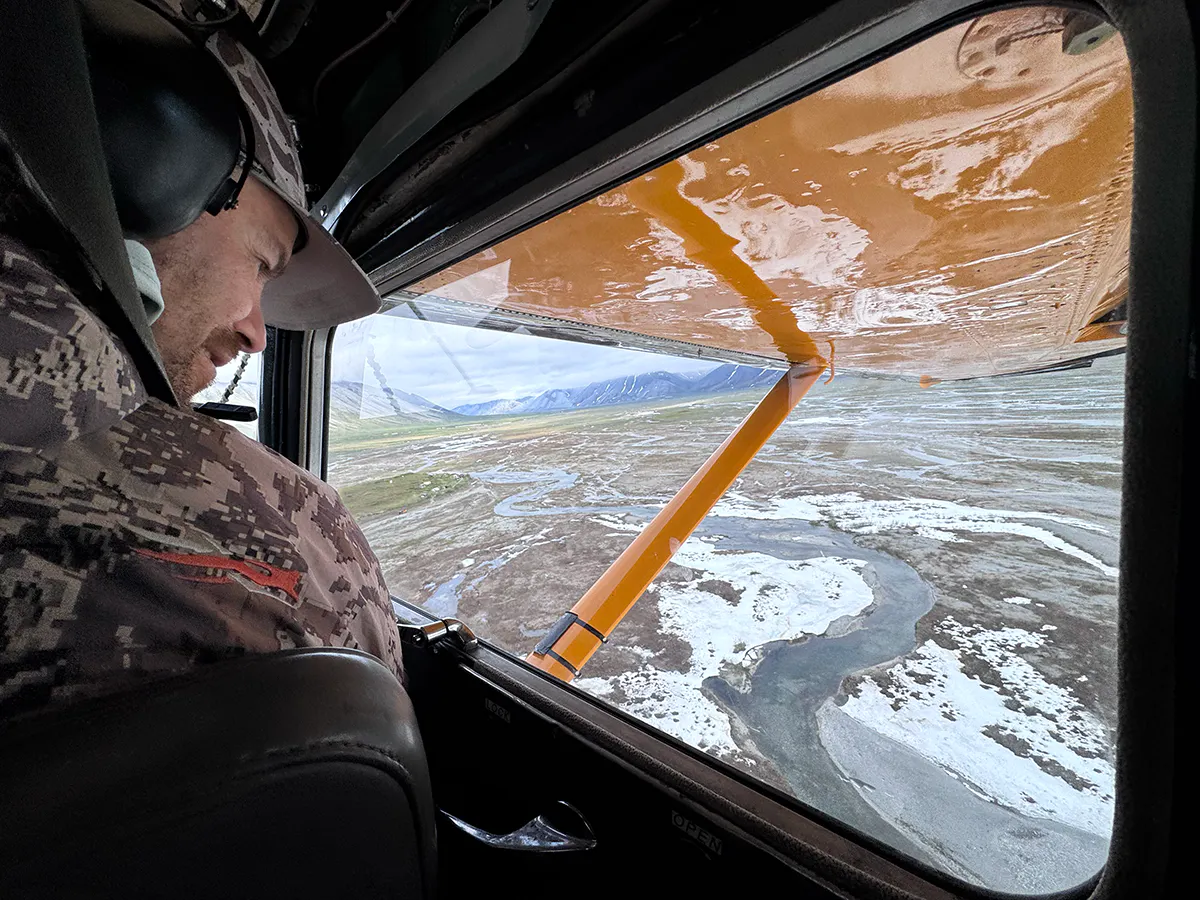
There's something magical about loading your life and family into a small bush plane and heading out into a place where we likely wouldn't see a single person for days.
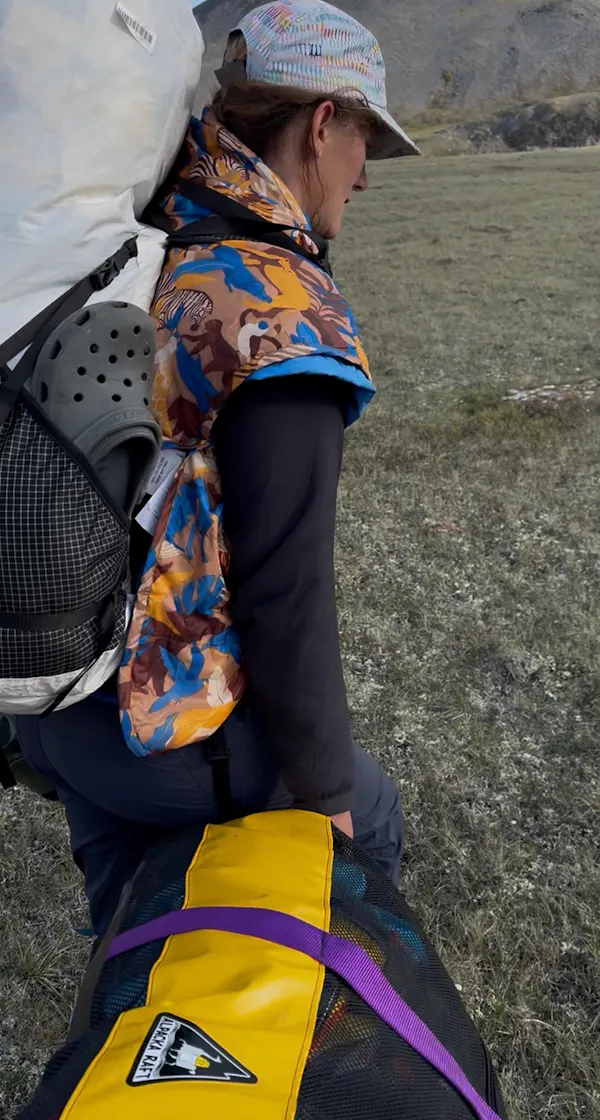
Backpacks, rolled packrafts, paddles, freeze dried meals, sleeping bags, the tent, and so much more, all packed purposefully and carefully weighed before setting off on our adventure. Before long, the tires leave the gravel runway and civilization begins to disappear beneath you.
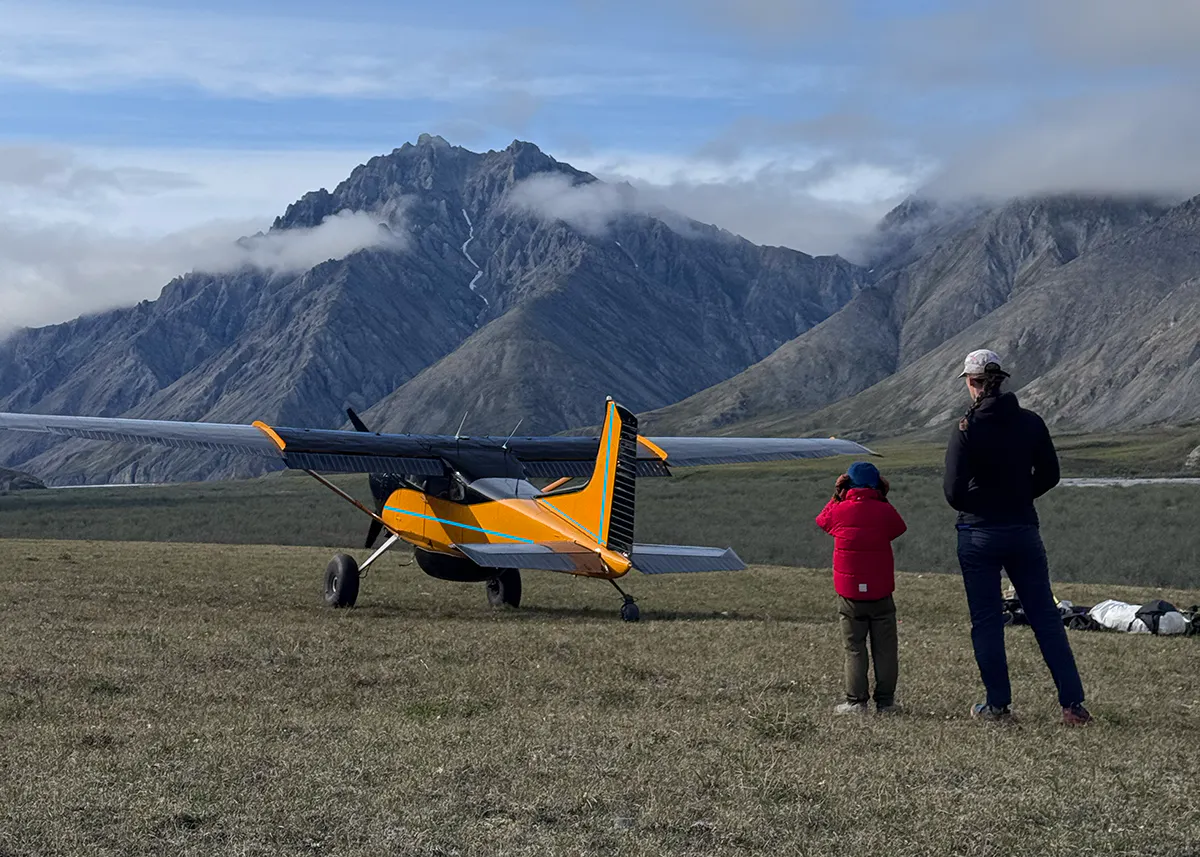
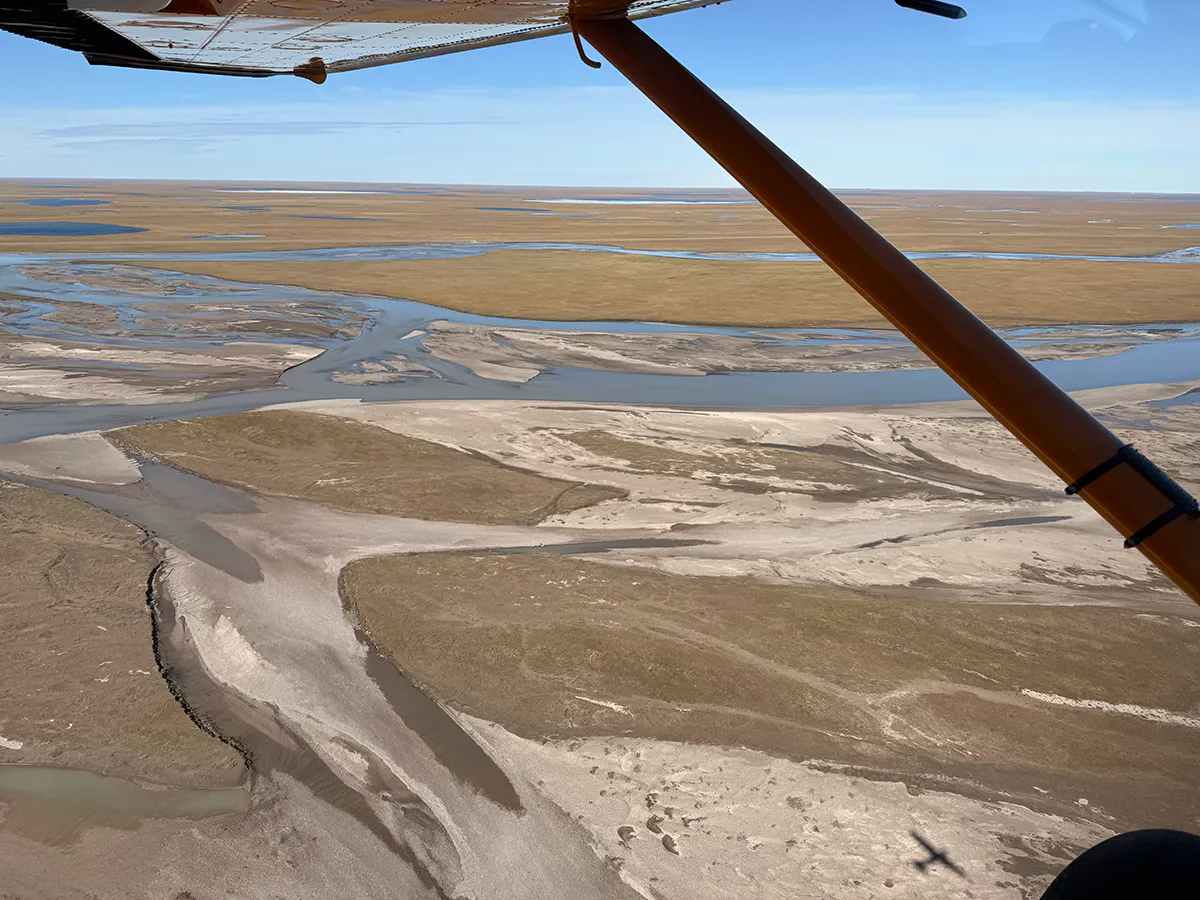
When the plane lands on the tundra, there's no lodge waiting. No trailhead. No cell service. Other than the occasional gull sound, mostly silence. And it’s stunning.
We wave goodbye to the pilot, and within minutes the airplane becomes a tiny speck against an impossibly big sky.
It’s just the three of us and wild, wild, Alaska. Amazing!
Preparing for the Trip
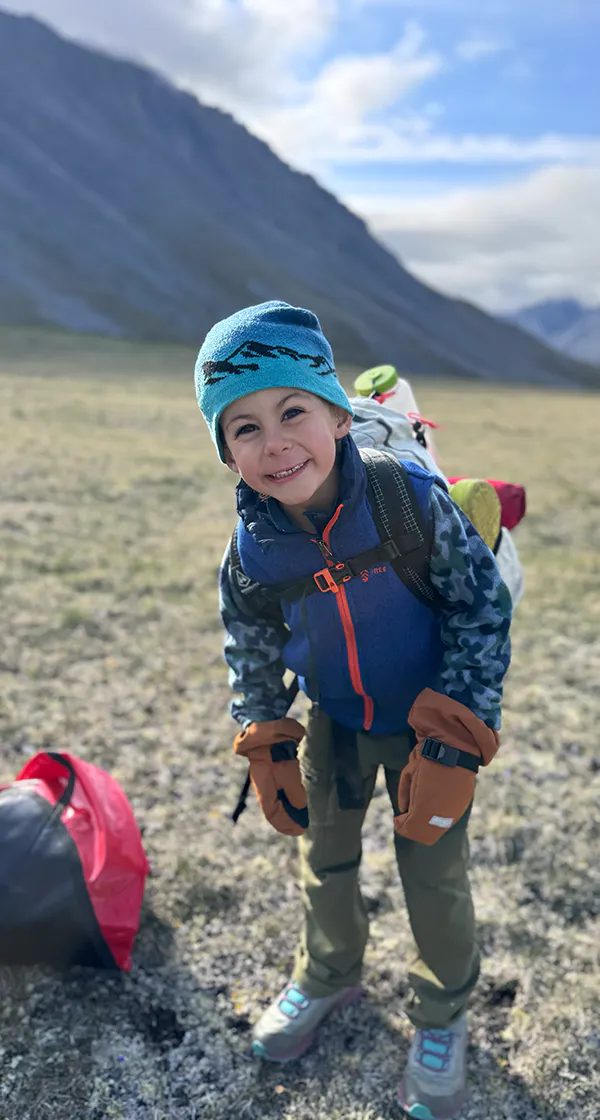
Traveling for a week in remote Alaska with a five-year-old requires thoughtful planning. Every item has to earn its place in your backpack, balancing comfort, safety, and weight.
What to dress him in while paddling, just in case he swam, was my biggest concern. The water is glacial fed and can be fast moving and unfortunately they don’t make 5T drysuits. After researching several options, we opted to bring a wet suit, dry socks and rain gear and on this trip, it worked perfectly.
Packing List
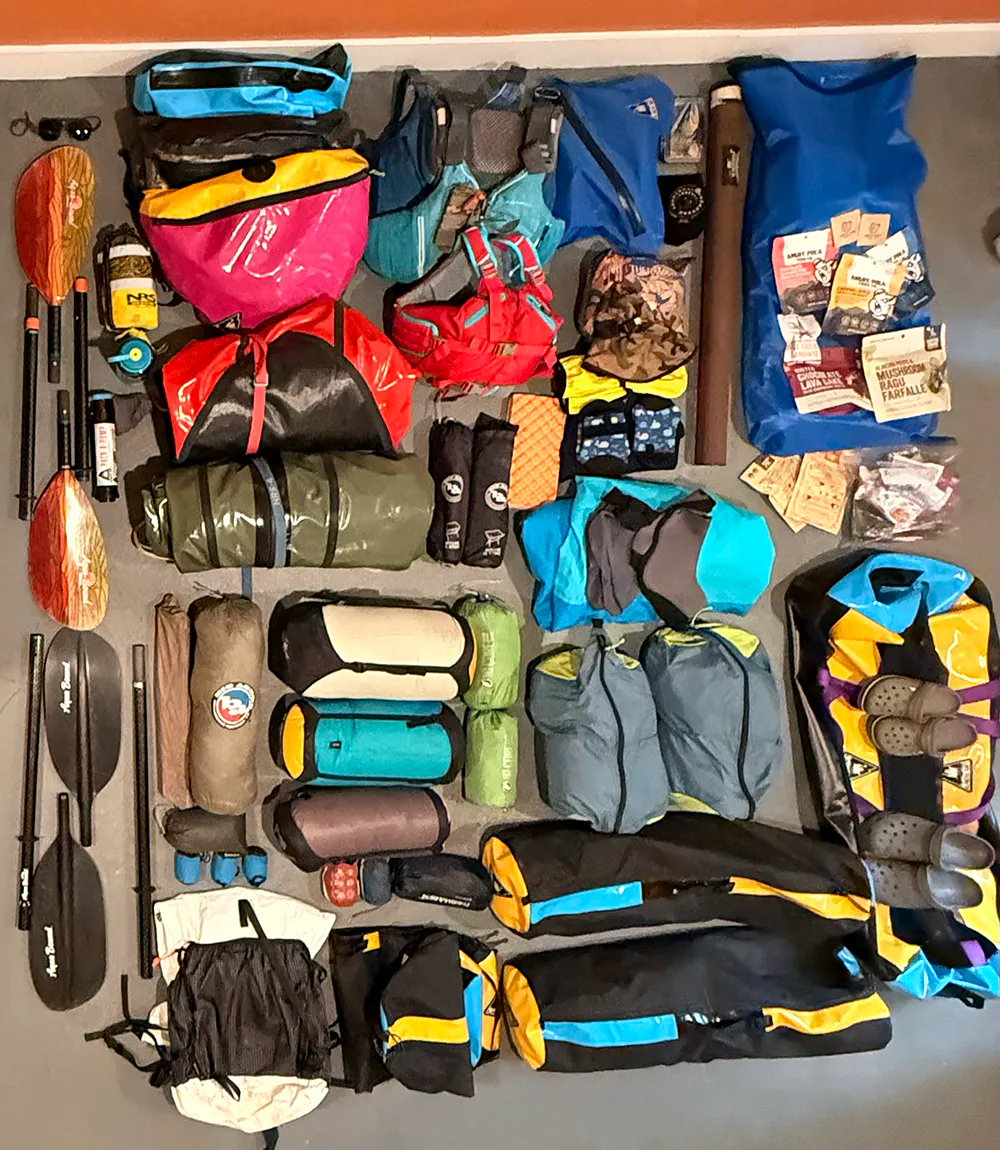
Want to see everything that was packed? A full gear packing list can be seen here.
Our favorites included:
- Packrafts: Ranger + Gnarwhal
- PFDs: Astral V-8 and Astral Kids Otter
- Paddles: AquaBound Shred Apart (Ranger) + AquaBound Whiskey (Gnarwhal)
- Accessories & Outfitting: Gunny Sack Internal Duffel (x4) + Chuckwagon Pod + Oasis Bucket + Roll Top internal Dry Bags (x2) + Pack-A-Pump + Flextail Max Pump + Hybrid Bow Bag + Liner (x3) + Wet Exit Duffle (for travel) + Cam Strap (for travel and towing) + OnX Maps
- Food: Angry Pika breakfasts and coffee + Gastro Gnome Meals dinners + loads of snacks of all kinds.
...And more. A full list of gear can be seen on the packing list here, including kids entertainment and such.
Paddling Day 1: Learning the Rhythm
After a night on the tundra, we woke early to the midnight sun that never left. I happily packed my sleep mask and slept like a baby, while my husband and son were up early with the sun.
Floating allowed us to enjoy more landscape than we could have covered on our feet, especially with a 5-year-old in tow. The after-paddling hikes were also quite incredible.
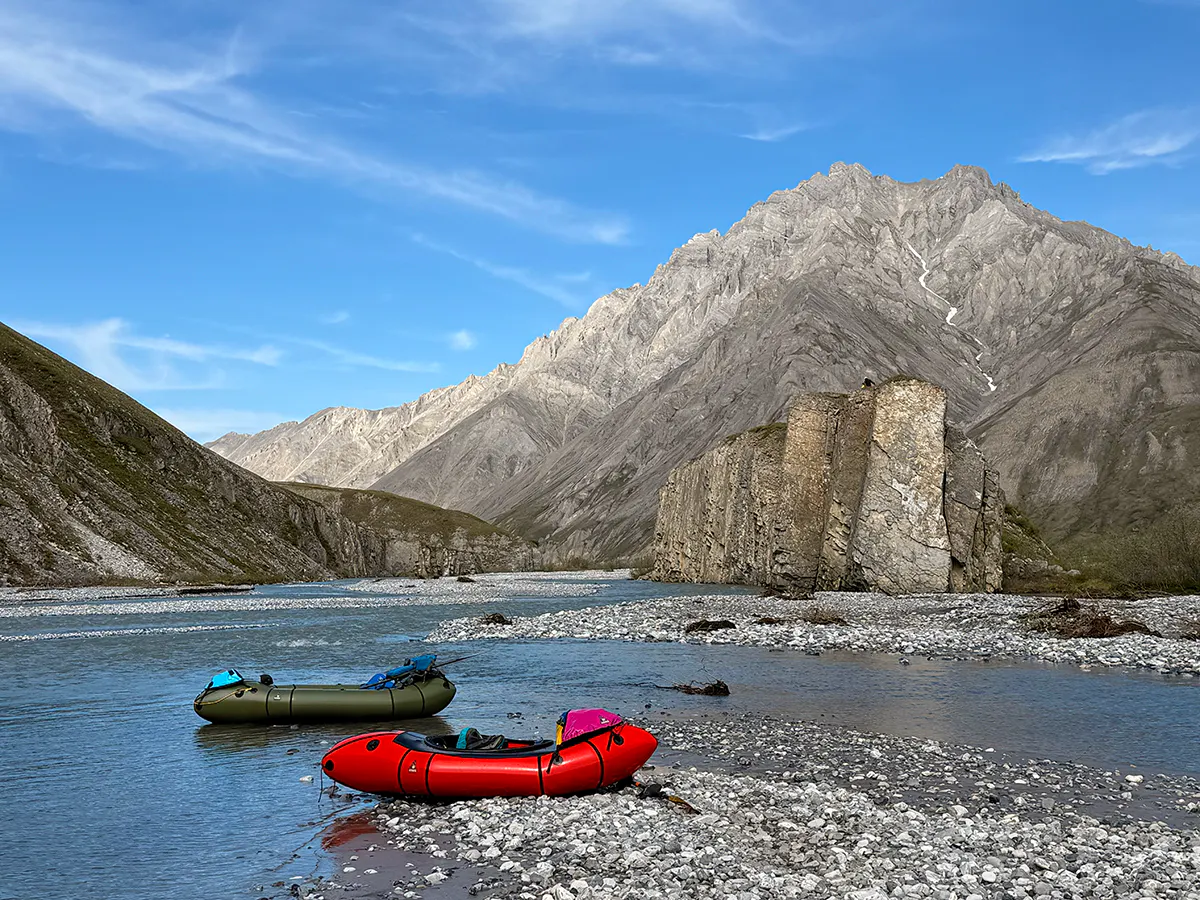
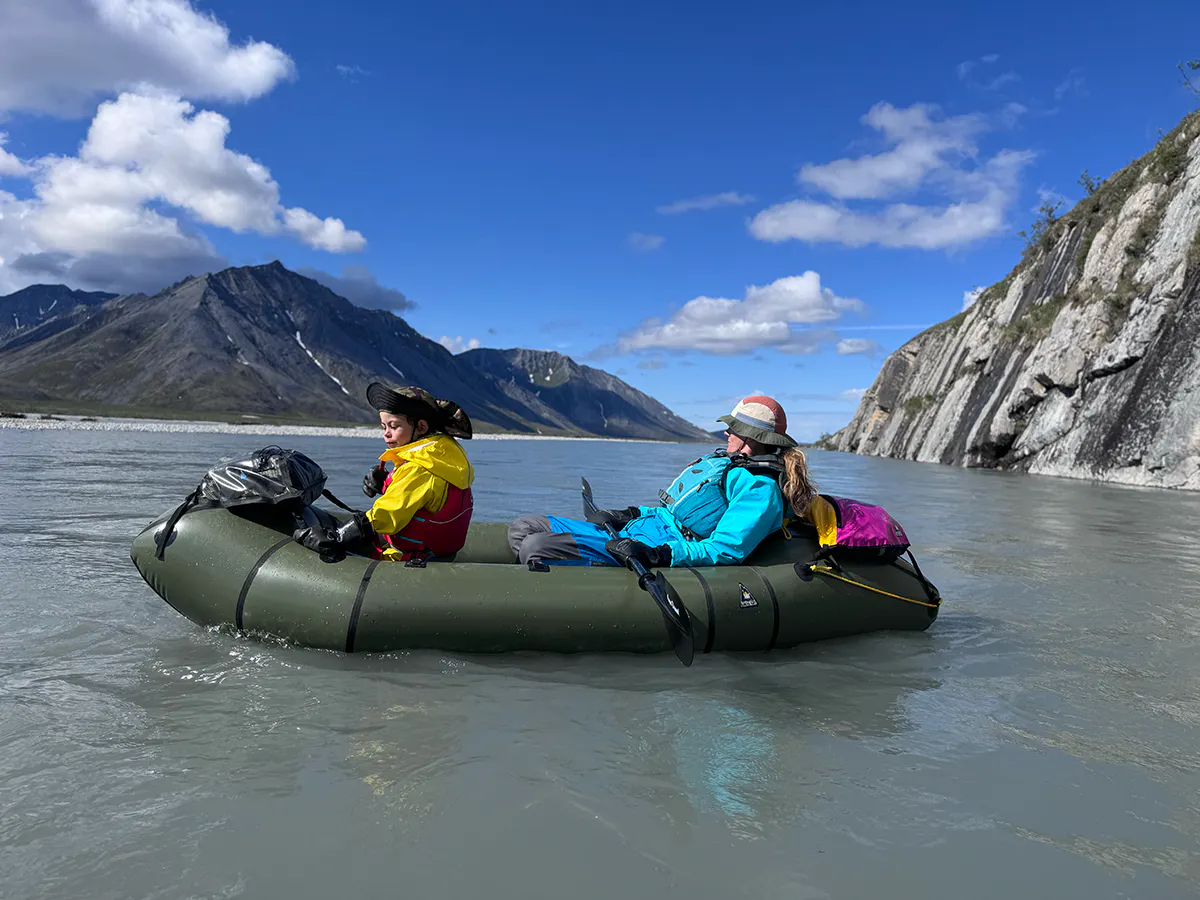
Our son quickly found his place in the bow of the Ranger packraft we brought along as the perfect kid boat for this trip. Sometimes he watched for birds. Sometimes he looked for interesting rocks and the awesome fossils that the Arctic Refuge has. Sometimes he simply trailed his hand through the cold water as mountains drifted past. But most of the time, he was chatting away about anything and everything that came to his mind. It was delightful to have him as a passenger on my boat (my husband agreed, we traded boats throughout the trip).
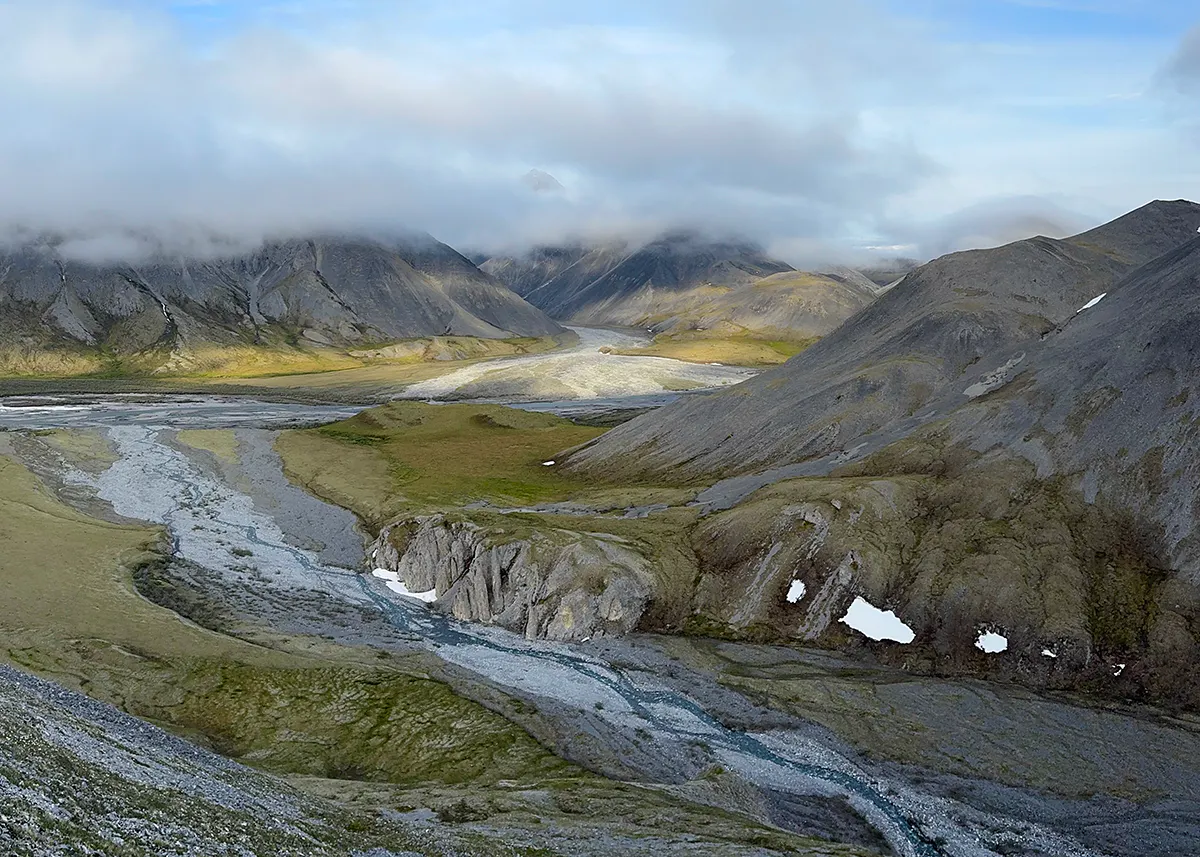
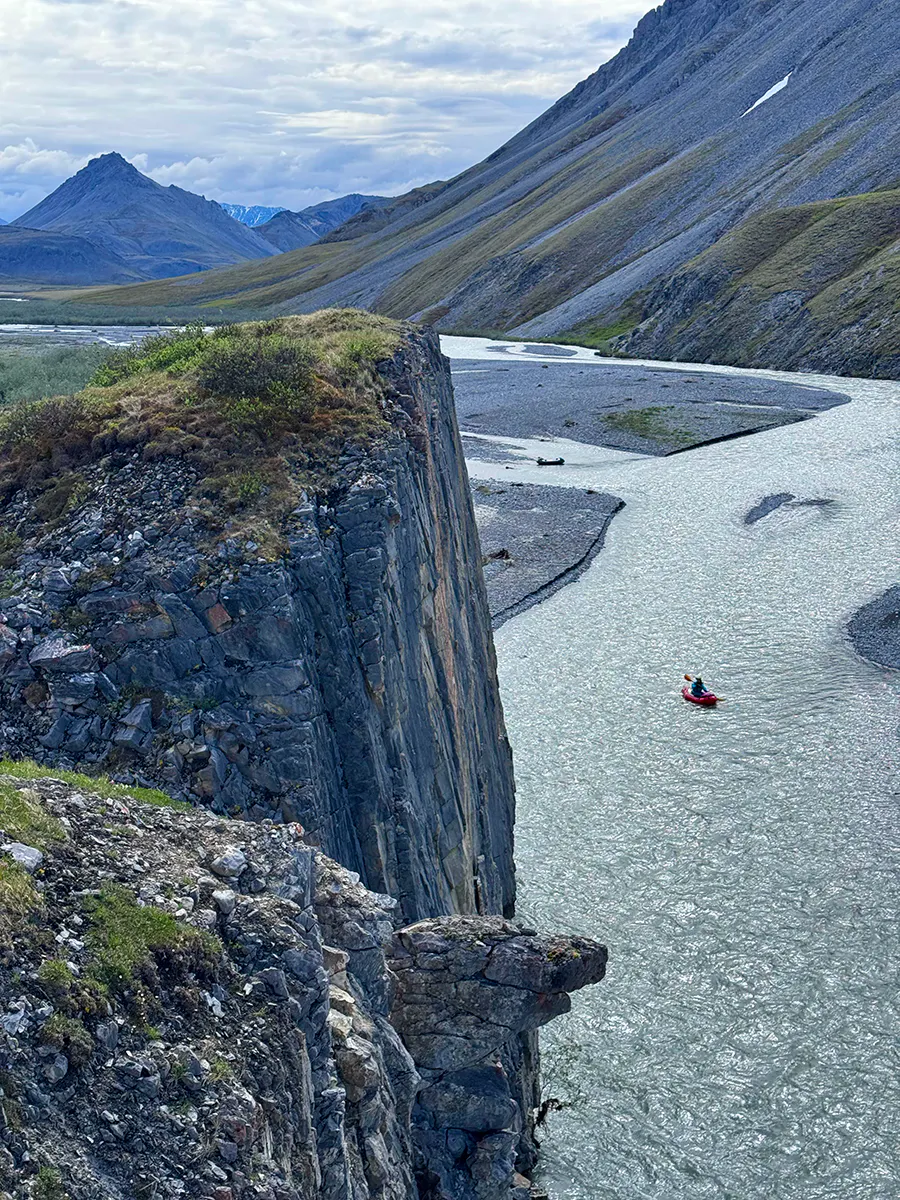
The Arctic Refuge has a way of making you feel wonderfully small. Every bend revealed another valley and another interesting thing to look at. Braided channels galore, picking the right channel was really the only decisions we had to make all day. Trying to avoid scooting your boat over the rocks and if you had to, not minding because just look around! What could be worse than what we were seeing on this trip?
Day 2: Wandering Off the River
One of the joys of packrafting is how easily you can stop to explore. Whether you’re over 40 or a five-year-old, every stop is its own adventure.
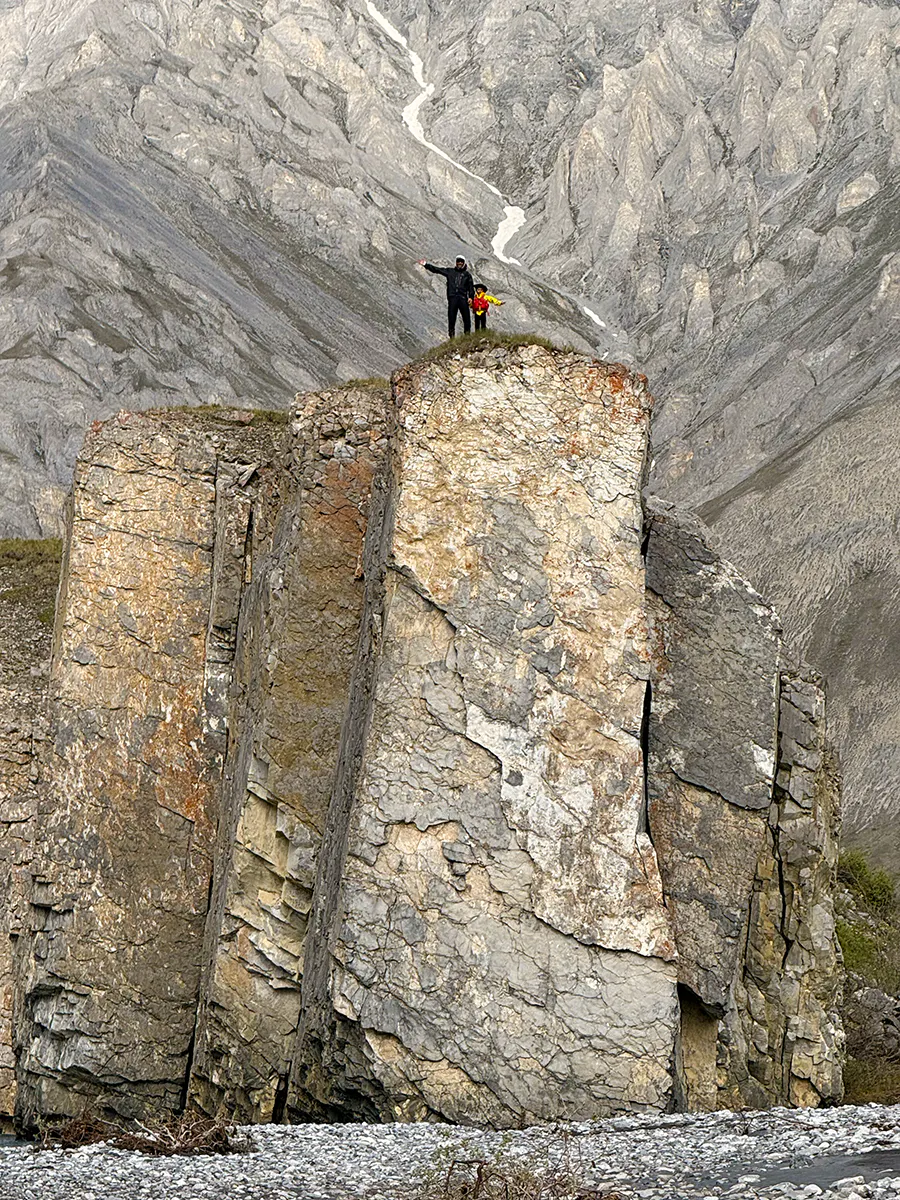
Whenever something caught our eye—a ridge, a rock tower, a side creek, a pretty wildflower—we simply pulled the boats onto shore.
With easy to travel tundra, every hike felt like an invitation to explore. Animal trails crisscrossed the landscape. Bear digs for arctic ground squirrels could be seen everywhere. Smaller alpine streams and waterfalls tumbled through hillsides. The views stretched for miles in every direction, with no roads, buildings, or signs of civilization.
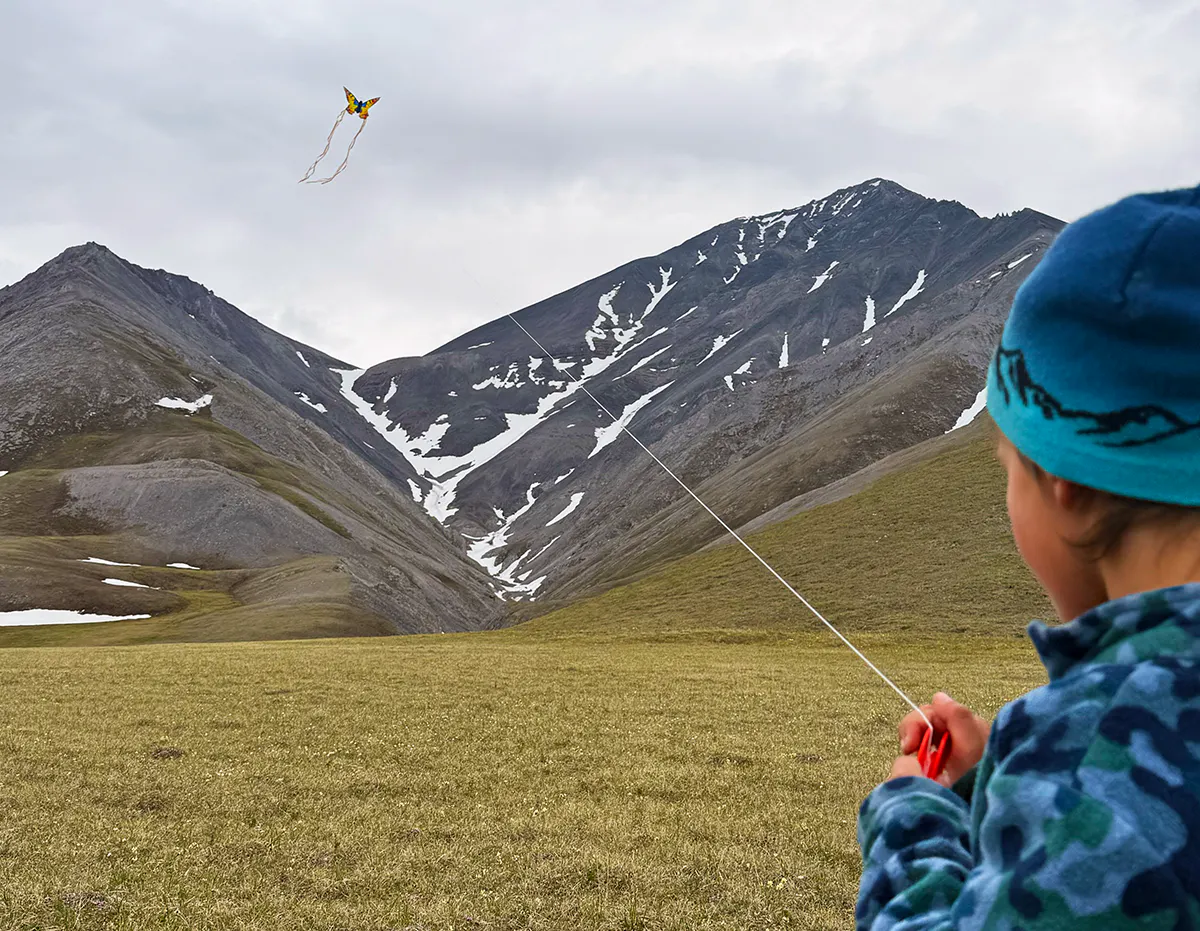
After finding todays camping spot, we noticed the wind was perfect for kite flying. We had the most beautiful butterfly in the Arctic Refuge flying high above us as we giggled running and getting it high into the air.
Day 3: Rain Changes the Plan
Alaska and Mother Nature writes their own itinerary.
We woke to steady rain tapping against the tent. The river we'd floated the day before had transformed overnight. From a gentle braided channel scooting river, to a deep fast moving river without gravel bars and plenty of boat-sized willow roots floating by. We decided to wait it out and let the rain stop. The river had become too high and too fast for family travel.
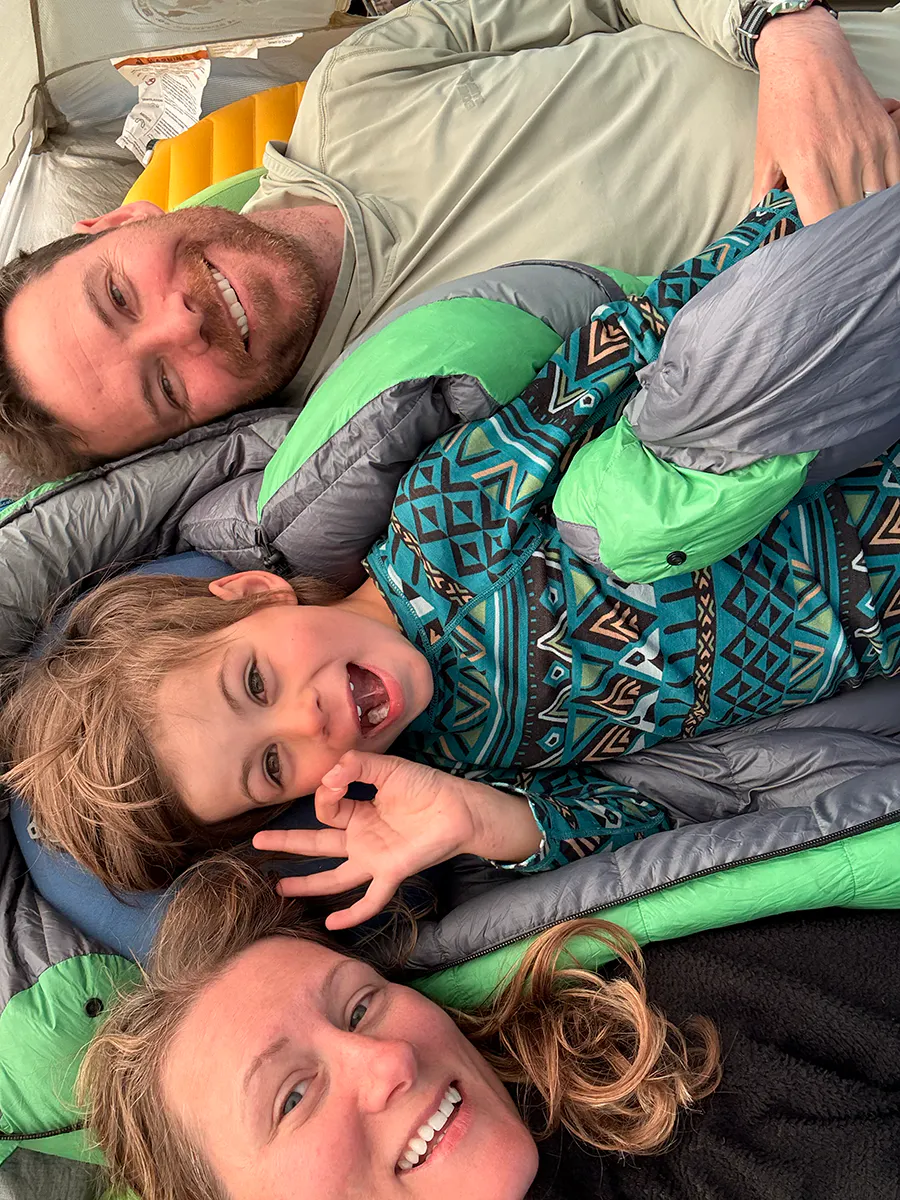
Instead of pushing on, we stayed put and dry in the tent. We played card games. Read books. Painted pictures with our snazzy metallic watercolor paints. Made hot chocolate. Told stories. Pretended our camp pillows were Forumula 1 car steering wheels. And somehow, it became one of our favorite memories.
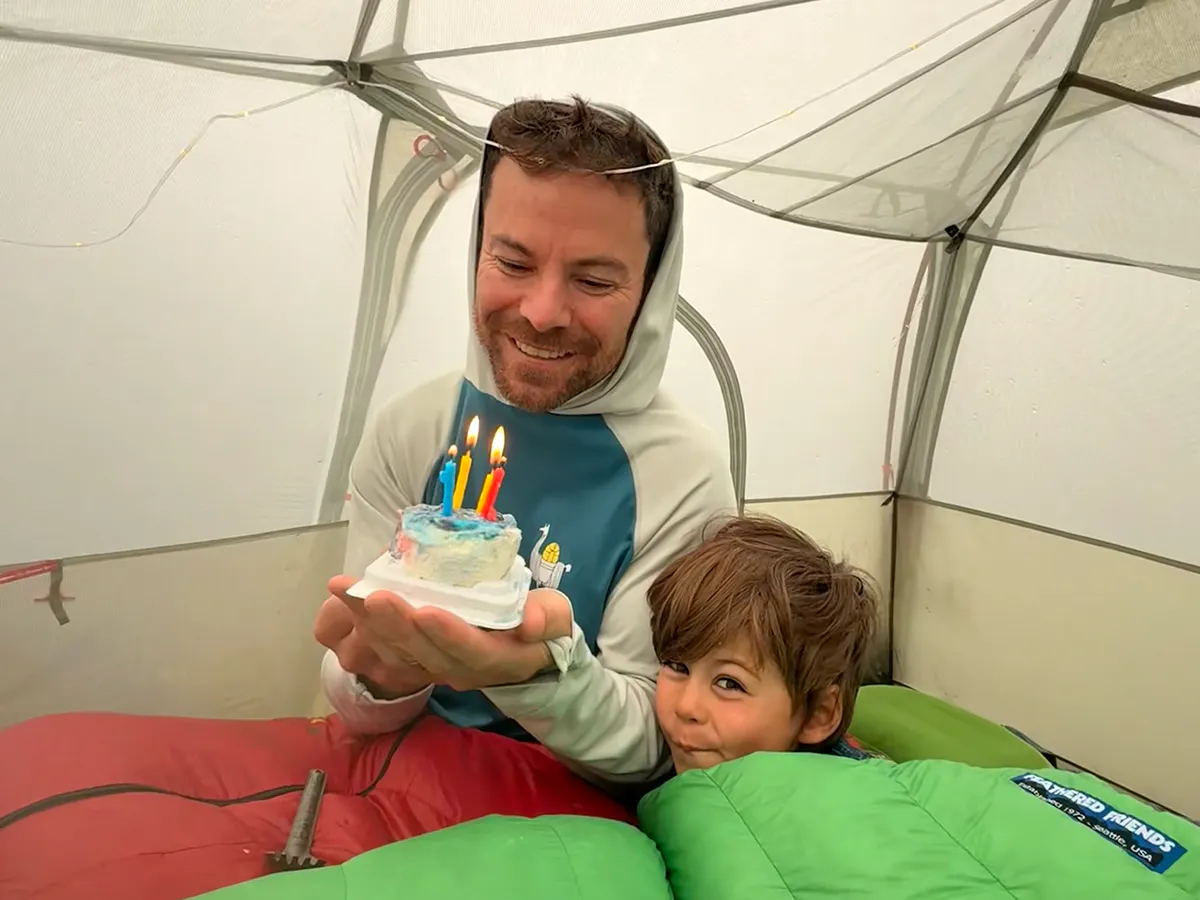
It was also my husband's birthday, so we pulled out the mini-cheesecake and candles we smuggled in, decorated the tent with twinkle lights and sang happy birthday in the tent. He loved it. (Note: Candles in a tent are not advised)
The forced pause reminded us that adventure isn't always about moving. Sometimes it's simply about being together and enjoying that time together.
By evening, the rain eased. We went for a hike and fossil hunt. And when we were on our way to bed, our son asked “Can we stay in the tent one more day?”. Ha.
As fast as the river rose, it dropped equally as fast. We watched the rain stop and the gravel bars reappeared in the river. The water was still a little pushy, but manageable. Tomorrow we'd continue downstream.
Days 4–6: Settling Into Wilderness Life
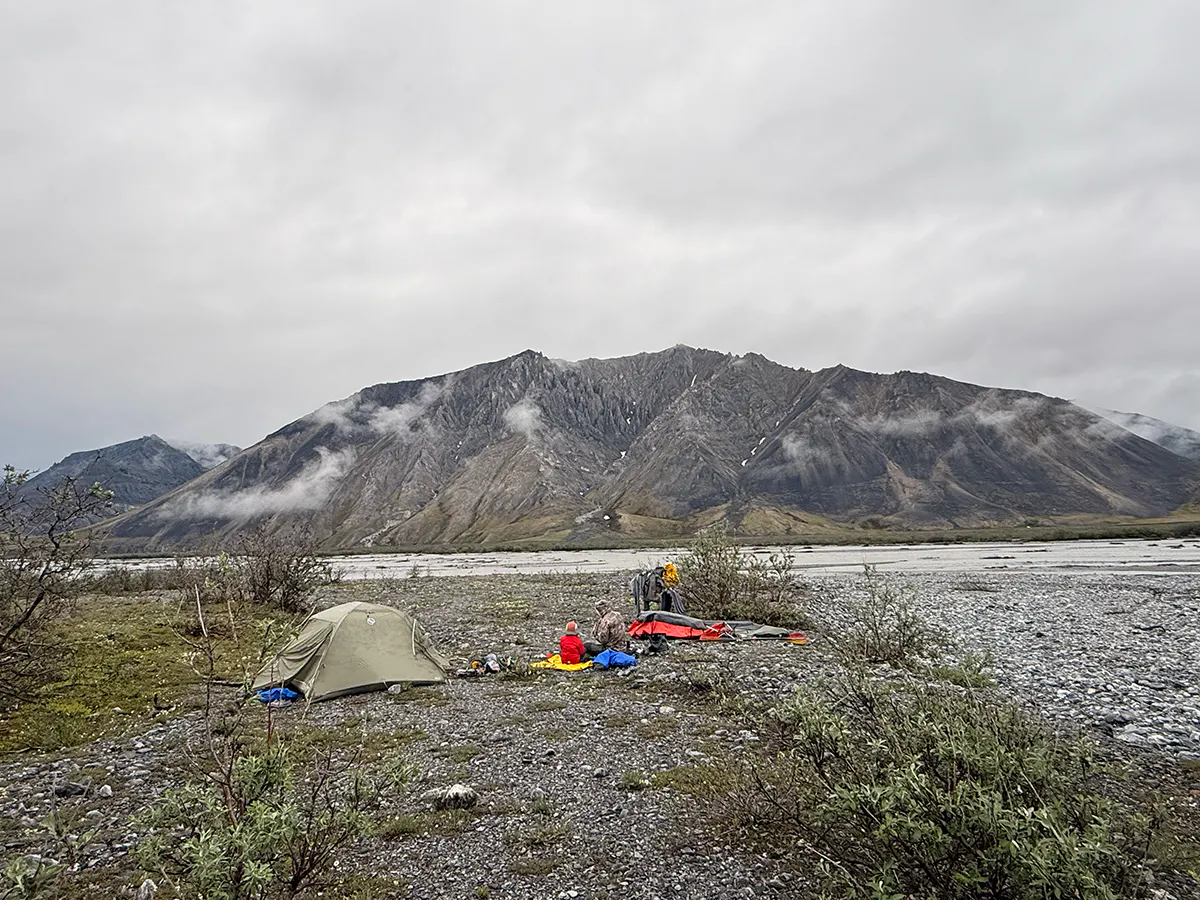
By now, camp setup had become second nature.
Wake up. Make coffee. Yum. Eat breakfast, our favorite being Angry Pika meals, but we did bring a few egg bites that we were able to keep cold in the river.
Pack sleeping bags. Stuff tents. Load boats. Float. Explore. Sleep. Repeat.
The simplicity was refreshing. The midnight sun stretched each evening into golden light that lasted forever.
Sometimes we'd stop early simply because the view couldn't possibly get any better. Then the next bend would prove us wrong. Everywhere we looked, the Arctic Refuge reminded us just how wild Alaska still is.
Day 6-7: The Takeout
Our last day was our longest mileage day. We had a place to be, but kept the pace easy because we weren't ready to leave.
Along the way we perfected our gull calls and got them to come in to investigate and entertain us through the day.
Eventually every mountains reach their end. As we rounded the final bend, the gravel bar where we'd arranged our pickup came into view. We camped there for the night and had a planned pick up in the morning.
After a good night’s sleep and a little cloud delay, a familiar sound of a bush plane echoed through the valley. We felt incredibly revived. Tired and ready for real food, but fully rejuvenated.
Our clothes were dirtier. Our food bags were empty. We had a week's worth of stories to tell. Fifty miles had passed beneath our boats, but the memories felt far larger than the distance.
Why Packrafting Makes Family Wilderness Travel Possible
A trip like this would be difficult using traditional backpacking and hiking alone.
Packrafts open up an entirely different style of adventure. They allow families to carry everything needed for extended wilderness travel while letting rivers become the trail.
Long distances become manageable. Remote landscapes become accessible. And kids can experience wild places in a way that's immersive without being overwhelming.
The Arctic Refuge isn't just a destination. It's a reminder that true wilderness still exists—and that children are capable of much more than we often give them credit for when given the opportunity to explore.
Final Thoughts
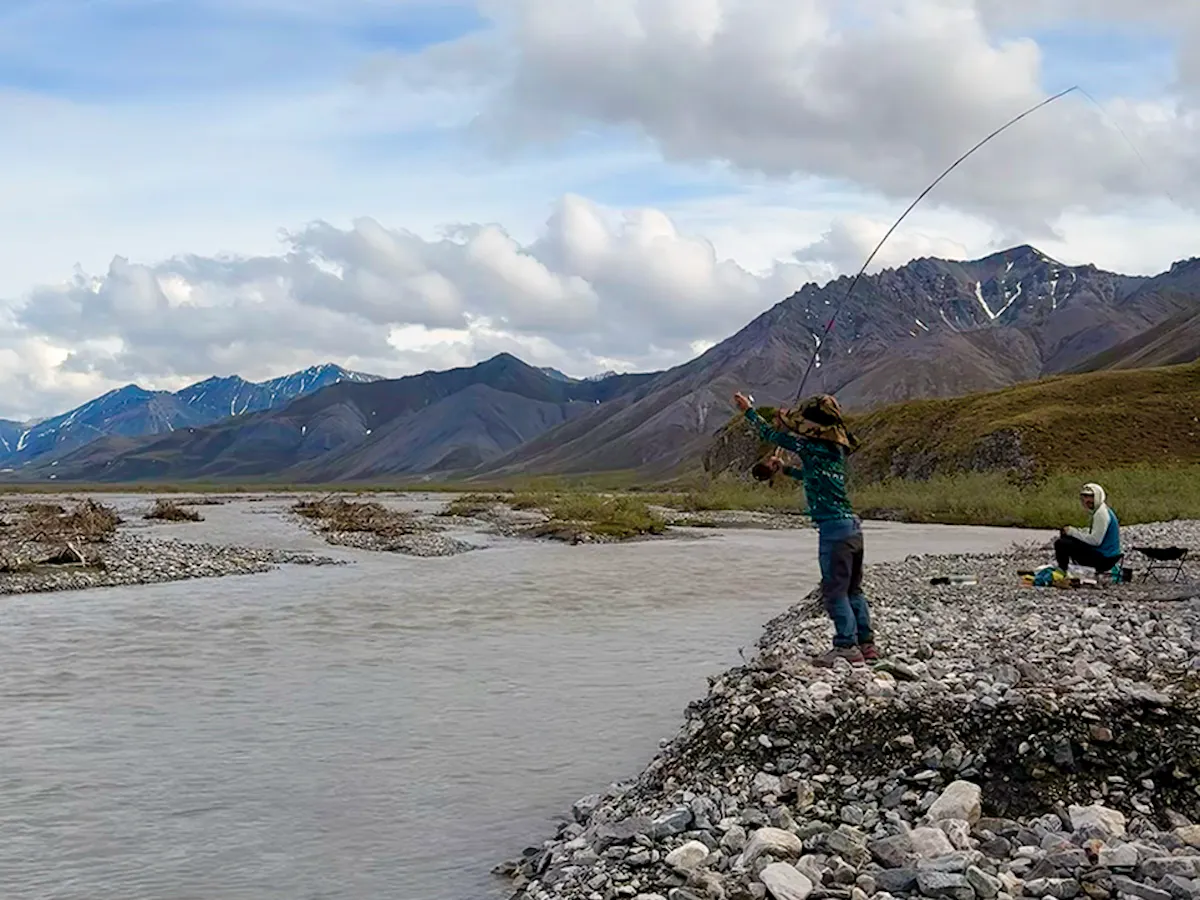
Seven days without phones. Seven days without schedules. Seven days of watching our five-year-old grow a little more confident with every fishing cast, every hike, and every bend in the river.
Adventure doesn't have to wait until kids are older. Sometimes the best classroom is a gravel bar, the best playground is a braided river, and the best family memories are made far beyond the end of the road.
Because someday, our son probably won't remember every mile we floated. But he'll remember the tiny airplane disappearing into the mountains. The sound of rain on the tent. The endless Alaska sun. And what it felt like to be completely immersed in one of the wildest places left on Earth.